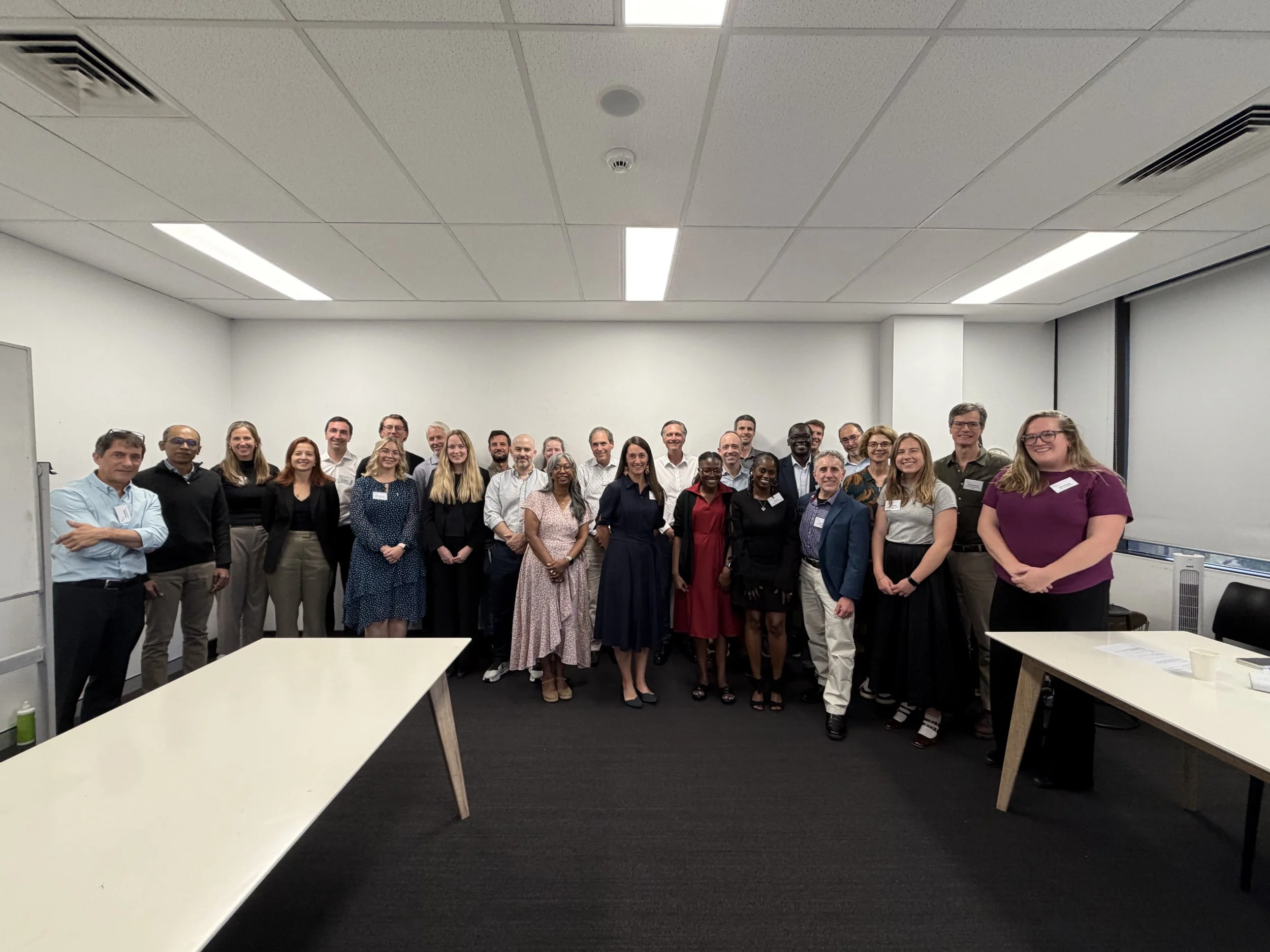
Ahead of the World Congress on Rheumatic Heart Disease in Perth, the ARC Network’s biomarker teams and Scientific Oversight Committee came together to take stock of Phase 2 of biomarker discovery. It was a meeting about data, but it started with patients.
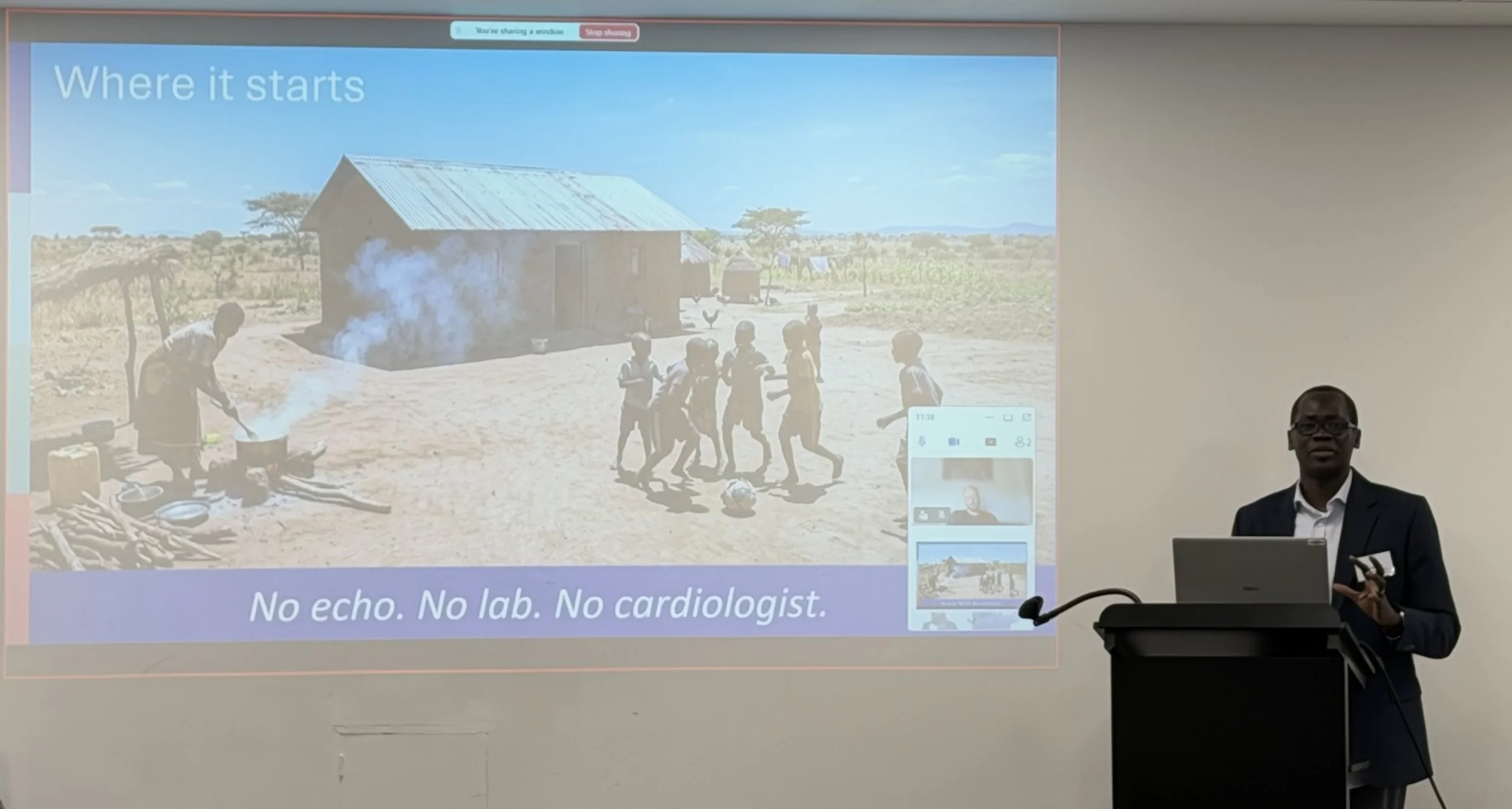
Emmy Okello, an interventional cardiologist from Uganda and a member of ARC’s Scientific Oversight Committee, opened the meeting with a reminder of why the network exists. He is often called in for urgent interventional procedures on pregnant women in crisis with rheumatic heart disease, and many of those emergencies could have been prevented if acute rheumatic fever (ARF) had been diagnosed years earlier. His request to the room was simple: please put him out of business. It set the tone for the rest of the day.
Earlier diagnosis starts with the right participants, so the meeting turned next to recruitment. Ndate Fall brought the group up to date on progress across the four ARC sites in Brazil, Malawi, Pakistan and Timor-Leste, including the news that Cycle 2 recruitment is now complete. Congratulations to our field teams, whose work with children, families and clinics makes everything else in the network possible.
Recruiting participants is only the first step; each diagnosis also has to be confirmed before a sample can be used. Tom Parks explained how the samples for Phase 2 were adjudicated and selected. Every participant’s diagnosis was carefully reviewed before their samples were chosen, so that the biomarker teams are working from a reference standard the field can trust. This took close collaboration between the Echocardiography Core, the clinical adjudication team and the PROOF Centre, and a huge thank you goes to all of them for their care and rigour.
Those carefully selected samples are now in the hands of the biomarker teams. Four teams completed Phase 1 and took their strongest candidates forward into Phase 2: the Parks Lab and the Levin Lab at Imperial College London, the Moreland Lab at the University of Auckland, New Zealand, and the Barnett Lab at The Kids Research Institute Australia in Perth. In Phase 2, those candidates are refined and validated using global samples from all four recruitment sites, testing whether signals found in Phase 1 hold up across different populations, settings and patterns of disease.
Not every team has finished Phase 2 yet, but early results are encouraging. The Moreland Lab and the Parks Lab have completed both the refinement and validation stages, and both presented a highly promising set of biomarker candidates. We will share more detail once the analysis is complete and the remaining teams have finished their Phase 2 work.
Promising candidates raise the next question: what will it take to turn them into a test that is actually used? The meeting closed with a presentation from FIND, the global alliance for diagnostics, on exactly that. The emphasis was on real-world application, including what a test will cost to make, buy and run. Thank you to our partners from around the world who have connected with the FIND team and helped shape this translational discussion which will be ongoing over the next months.
What comes next?
The biomarker teams will now complete their Phase 2 analyses, and we look forward to sharing the results with the network as soon as they are ready. At the same time, attention is turning to the shape of Phase 3. Our clinical teams will help decide which questions Phase 3 needs to answer, so that the work stays tied to the decisions clinicians face at the bedside.
Meanwhile, teams around the world are starting Cycle 3 recruitment. This cycle will build a reference set of healthy children, which will be used to set the diagnostic thresholds for future ARF biomarker panels.
Thank you to everyone who presented, to our field, echo and adjudication teams, to the PROOF Centre and to FIND, and to the Leducq Foundation for supporting the network. Each step brings us closer to answering Emmy’s request: an ARF diagnostic test that could help put him out of a job.