
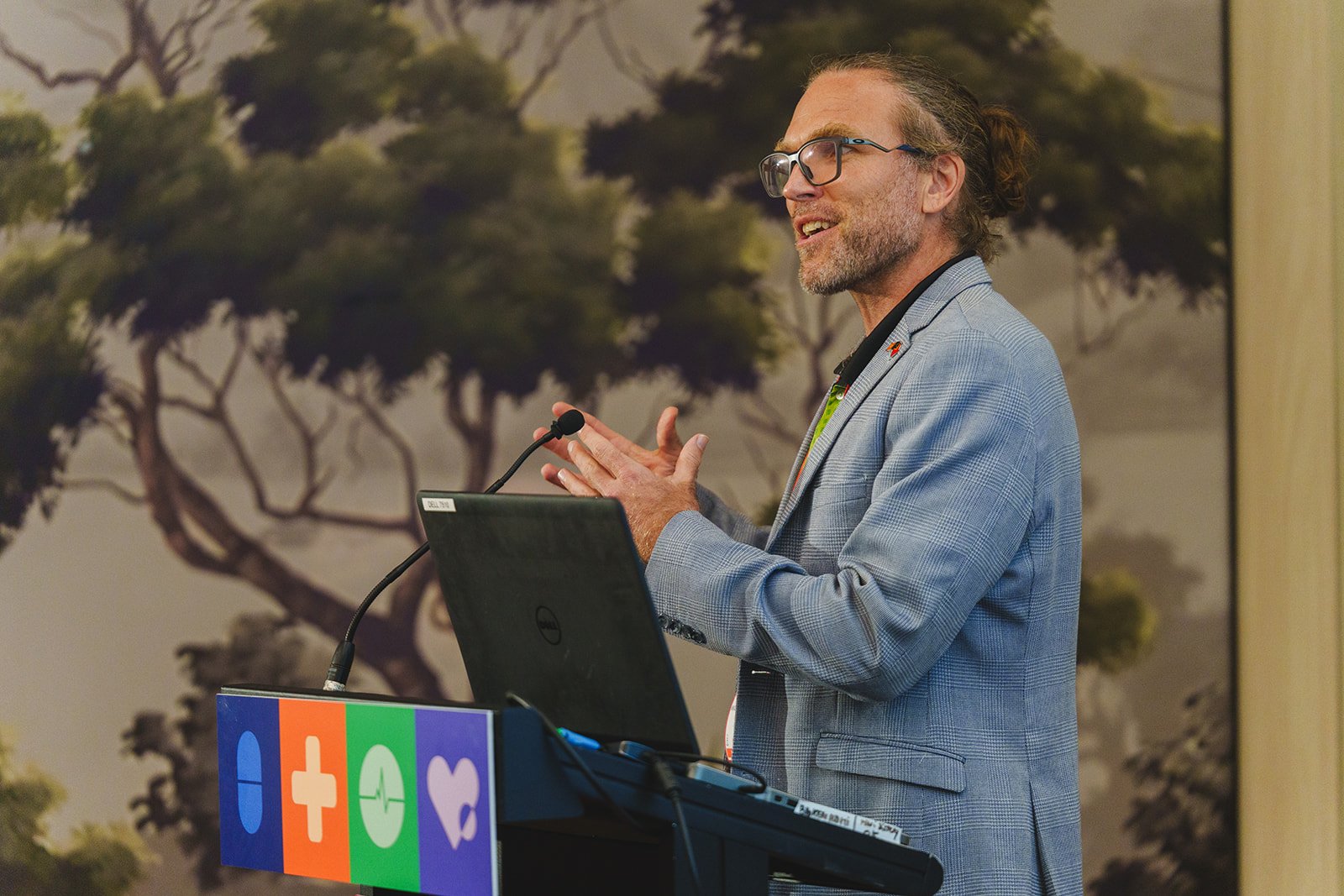
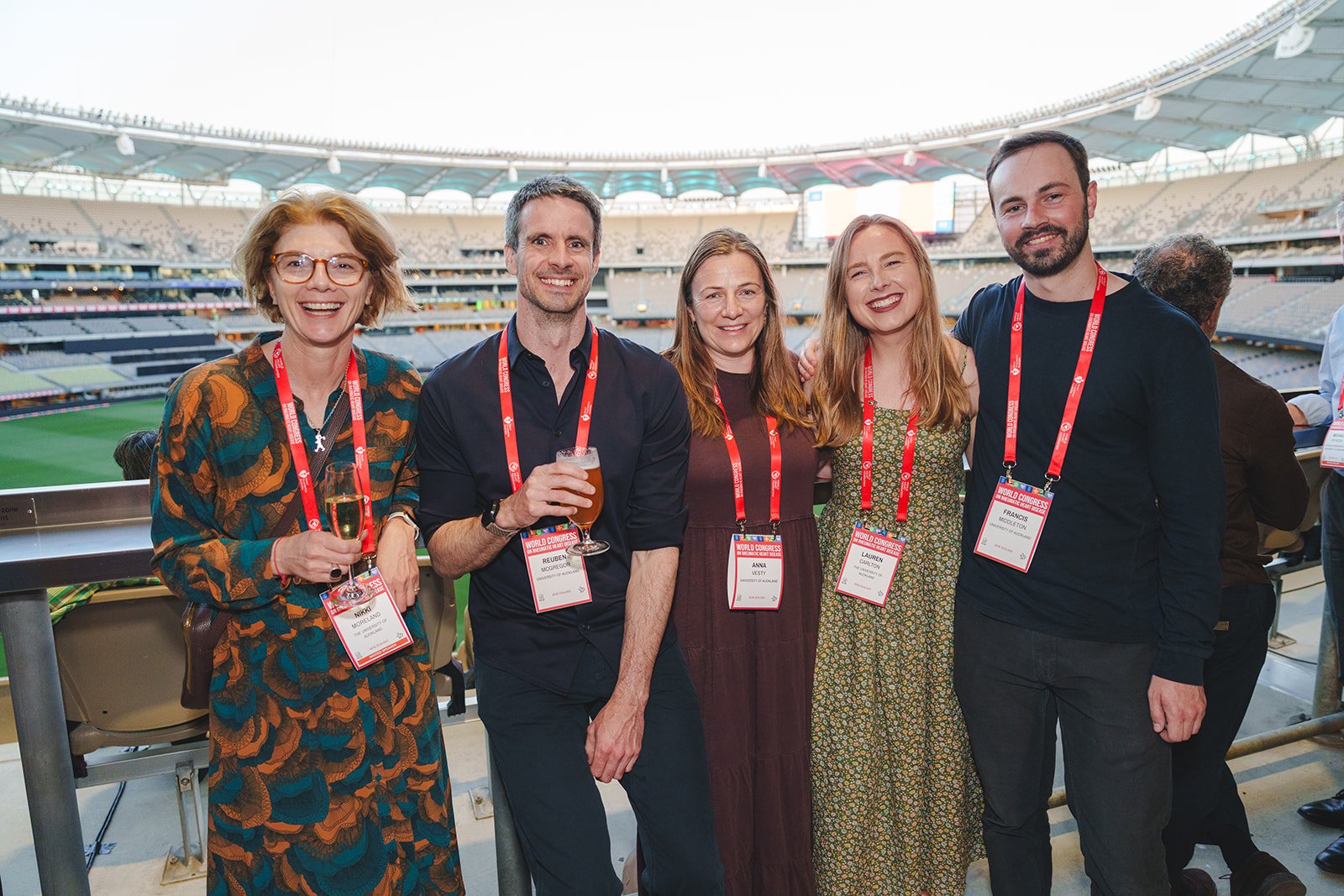
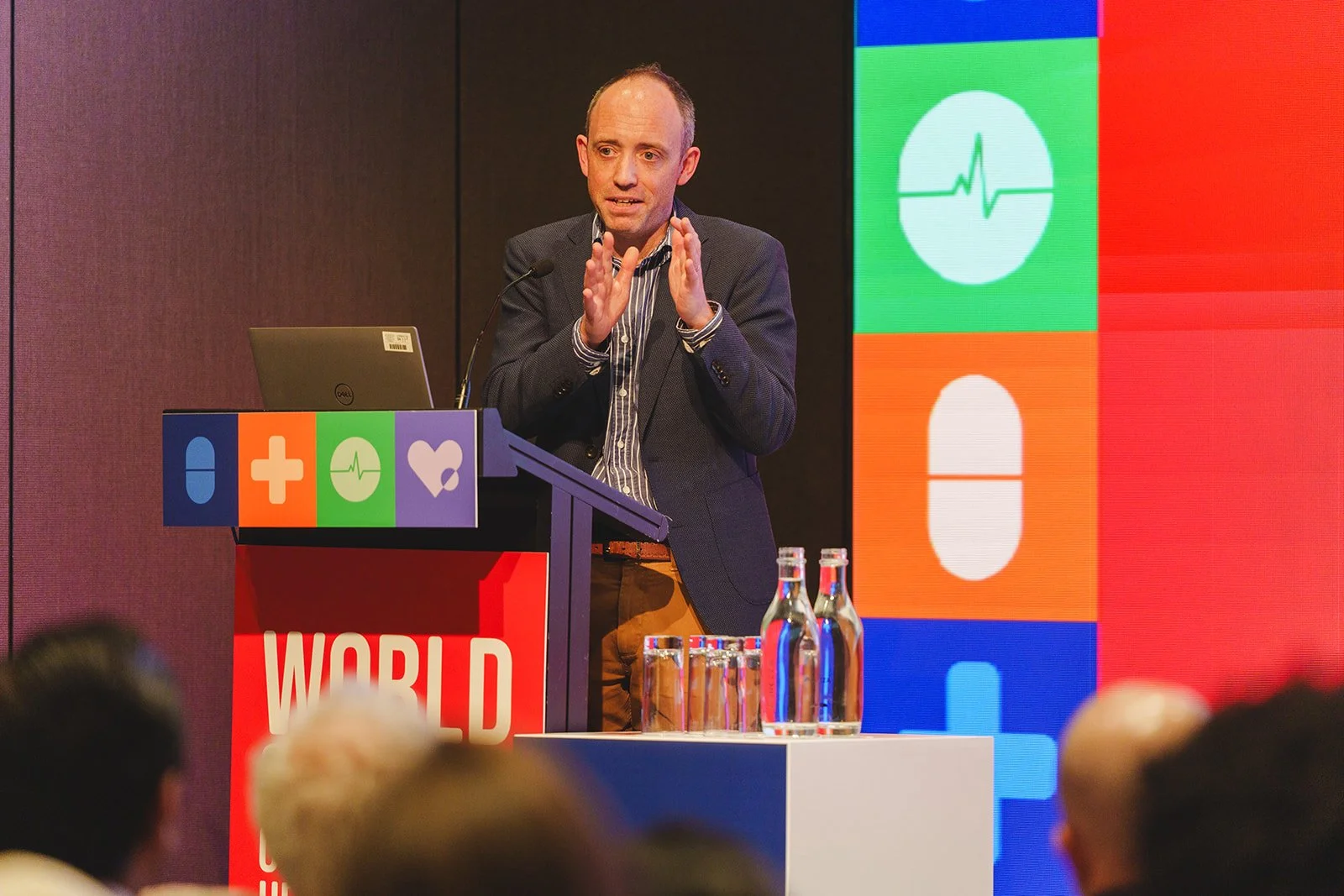
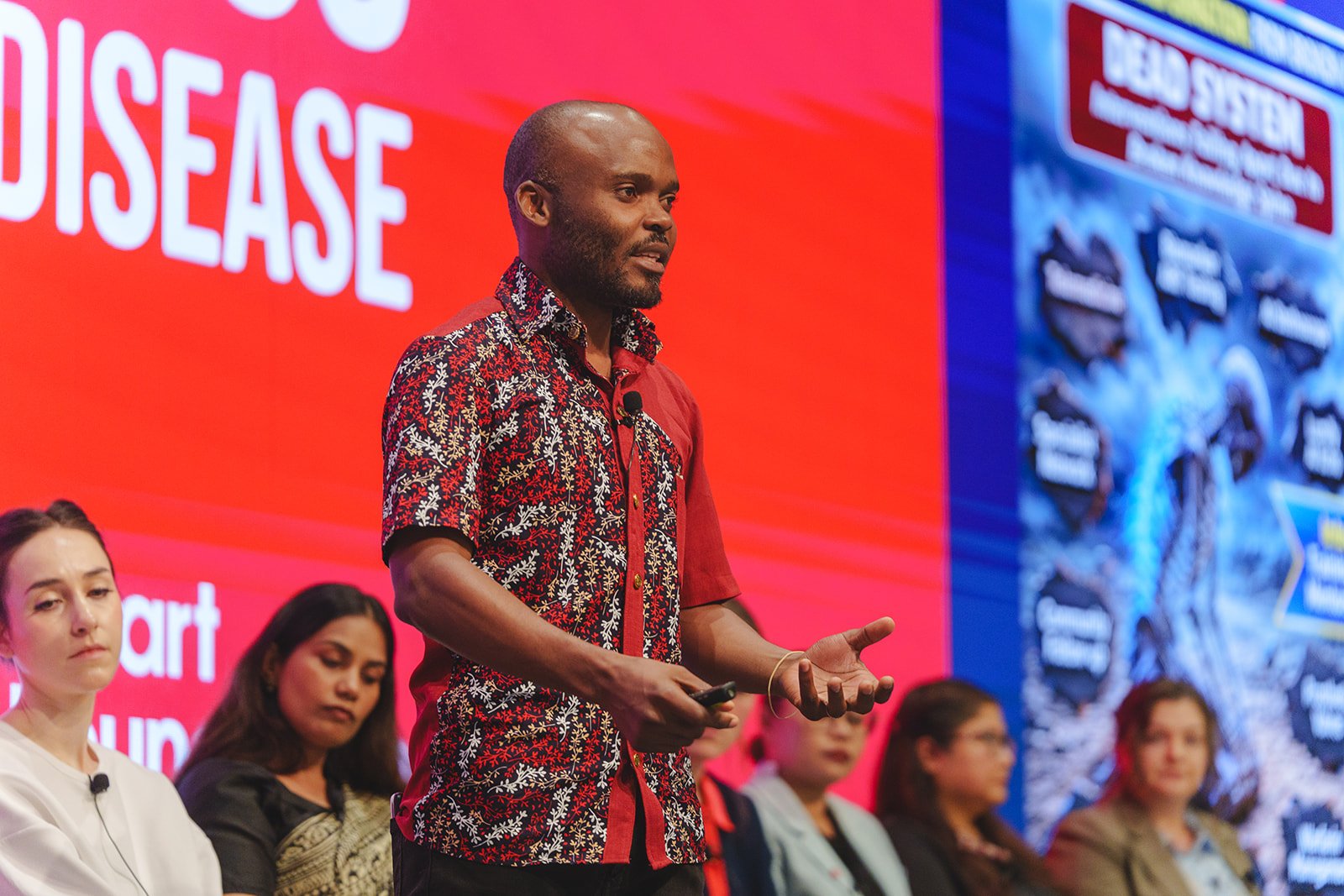
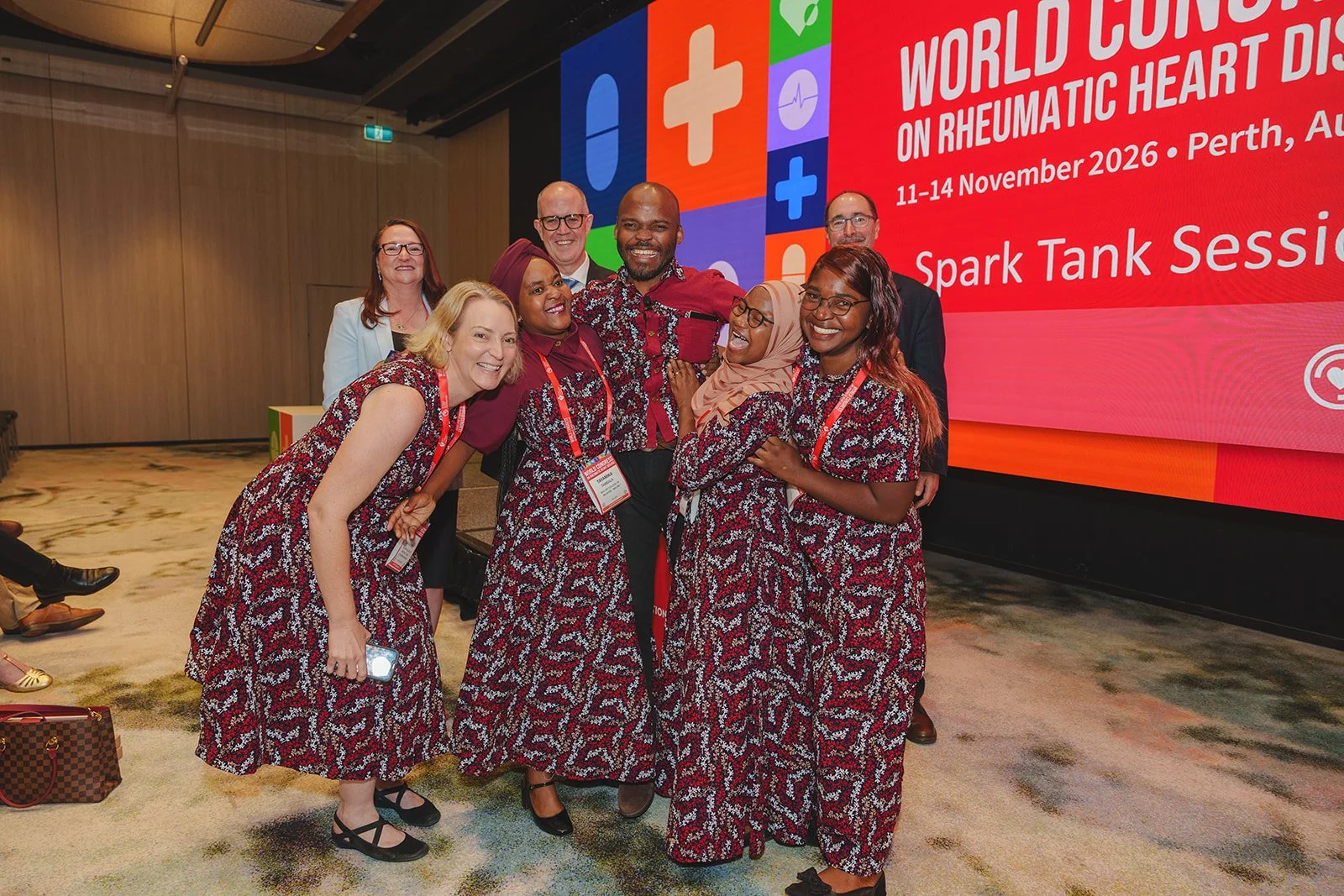
From the opening ceremony to the closing session, the ARC Network was part of the conversation at the World Congress on Rheumatic Heart Disease, held in Perth from 11 to 14 November 2026. Our members presented, chaired, debated and joined discussions across every stream of the program.
Nearly 30 ARC members held speaking and chairing roles, and every part of the network was represented: the recruitment sites in Brazil, Malawi, Pakistan and Timor-Leste, the ARF Diagnostic and Echocardiography Cores, the biomarker team, the Biobank and the Scientific Oversight Committee.
Friday belonged to acute rheumatic fever. ARF took center stage in both the clinical and translational streams, with ARC members at the heart of each. The clinical session moved from case detection to echocardiography to treatment, then closed with a head-to-head debate on whether the Jones Criteria still serve low- and middle-income settings. Later, the translational session asked what comes after Jones, from the state of ARF diagnostic science in 2026 to the hard work of turning biomarker discoveries into tests people can use. It ended with Ela Fernandes and Masood Sadiq, speaking from Timor-Leste and Pakistan, posing the question at the heart of ARC: if we have an ARF test, will it save lives?
That same afternoon, Renata Mendoza showed in the plenary session why that question matters. Presenting contemporary ARF data from the network’s four endemic countries, she reported mortality of 8% across the network and 20% in Malawi. These are sobering numbers, and they make a powerful case for earlier diagnosis.
Some of the week’s most powerful moments came from people who live with ARF and RHD or treat them every day. Herculano Seixas dos Santos shared Timor-Leste’s RHD story from inside its Ministry of Health, and Tehmina Kazmi described what it takes to close the gap in ARF case detection in real-world settings. In the Leducq Foundation session, Tayamika Tambala spoke about caring for patients on warfarin in low-income settings, and Emma Ndagire told the story of a tissue valve that failed. These talks kept the science grounded in the patients it is meant to serve.
The network’s cohort data also featured in five original poster abstracts. Omeir Aziz described contemporary clinical presentations of ARF globally, and Emma Ndagire presented patient-reported outcomes from the ARC Network. Bernardo Mendoza explored the overlap between ARF and acute post-streptococcal glomerulonephritis, Tehmina Kazmi mapped the spectrum of carditis in patients with Sydenham’s chorea, and Ela Fernandes presented a case-control study of risk factors for ARF and RHD across four high-burden countries. Two of these, Bernardo’s and Ela’s, were selected for People’s Choice awards. We look forward to seeing these results in print soon.
When the congress closed, the work continued. The network stayed on for Cycle 2 adjudication, the case-by-case review in which the ARF Diagnostic Core confirms each participant’s diagnosis. This work will set up our biomarker discovery teams for Phase 3.
Taken together, the week showed what ARC was built to do: bring clinicians and scientists from around the world into one conversation about a disease that still has no diagnostic test. Thank you to everyone who spoke, chaired, presented and adjudicated, and to the Leducq Foundation for making the network possible.